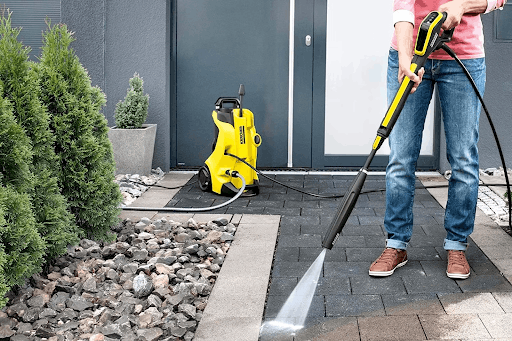
Indoor commercial cleaning can become difficult when ordinary tools are not strong enough. Mops may spread greasy dirt instead of removing it. Hand scrubbing can take hours, while weak cleaning machines may leave buildup in corners, joints, and textured surfaces. A pressure washer can make some indoor cleaning jobs faster. However, fuel-powered machines are generally unsuitable for enclosed spaces because their engines release dangerous exhaust gases. Electric models provide a more practical option when the machine is approved for the task and the building has safe electrical, drainage, and water systems.
A commercial electric pressure washer can help clean workshop floors, food preparation areas, garages, warehouses, loading spaces, and other washable surfaces. It produces no engine exhaust at the point of use, usually creates less noise, and can start without fuel handling. Still, indoor pressure washing requires careful planning. Water must be controlled, electrical connections must remain protected, and the surface must be able to handle the selected pressure. This guide explains how electric pressure washers can improve commercial cleaning and what New Jersey businesses should check before using one indoors.
No Engine Exhaust at the Point of Use
One of the main benefits of an electric pressure washer is that it does not have a gasoline or diesel engine. Fuel-powered machines release carbon monoxide and other exhaust gases. Carbon monoxide cannot be seen or smelled, yet it can cause serious illness or death in an enclosed area. Opening a window or door does not automatically make indoor engine use safe. A fuel-powered machine should remain outside unless its manufacturer clearly approves a different setup and all required safety controls are in place. In some situations, an operator can place the engine-driven unit outdoors and run a suitable high-pressure hose into the building.
An electric model avoids engine exhaust at the cleaning point. This makes it a more suitable choice for many indoor commercial settings. It does not remove every safety concern, but it reduces one major indoor hazard. Before choosing equipment at a local pressure washer retailer, explain that the work will happen indoors. The supplier will need to know the available electrical service, water supply, surface type, drainage conditions, and level of dirt.
Quieter Operation During Business Hours
Commercial buildings are often occupied while cleaning takes place. Employees may be working nearby, customers may be entering the property, or another crew may be completing repairs. Loud equipment can disturb all of these activities.
Electric pressure washers are usually quieter than comparable engine-powered models because they do not have a combustion engine. The pump and water spray will still make noise, but the overall sound level may be easier to manage.
Lower noise can be helpful in:
- Retail stockrooms
- Indoor parking areas
- Workshops
- Schools and institutional buildings
- Commercial kitchens
- Building service areas
- Warehouses near offices
Quieter operation does not mean hearing protection is never needed. The operator should check the equipment’s sound rating and follow workplace safety requirements. Noise may also increase when the spray hits metal walls, concrete, or other hard surfaces.
Even so, an electric unit may allow businesses to schedule cleaning with less disruption. That can be especially useful when closing the full property is not practical.
Faster Cleaning of Washable Surfaces
Manual scrubbing can require a great deal of labor. A worker must apply cleaner, scrub the surface, collect dirty water, and repeat the process across the entire area. This method may work for small spaces, but it becomes slow on large commercial floors. Pressure washing uses a concentrated water stream to loosen dirt. The flowing water then helps move the released material away from the surface. With the right nozzle and cleaning product, the operator may cover more area than they could with a brush alone.
An electric-powered commercial cleaning unit may be useful for washable concrete, durable tile, equipment pads, loading areas, and certain wall surfaces. The material must be water-resistant and in suitable condition. Higher pressure does not always produce faster results. Excessive force can damage grout, coatings, paint, seals, and weakened concrete. A balanced combination of pressure, water flow, temperature, detergent, and nozzle width is usually more effective.
The operator should start at a low setting and test a hidden section. Pressure can then be increased in small steps if the surface remains undamaged.
Better Control in Enclosed Areas
Indoor commercial spaces often contain shelves, machinery, drains, doors, and electrical fixtures. Operators may need to clean around these items without sending water across the entire room. Many electric pressure washers offer steady operation and adjustable cleaning options. A wide-angle nozzle can spread the water over a larger area and reduce its effect on the surface. A narrower spray can address stronger buildup, but it must be used with greater care.
Short trigger use can also help control water. The operator can stop spraying while moving between sections or changing position. Some machines stop or reduce pump activity when the trigger is released, depending on their design. Equipment selection should be based on the room as well as the dirt. A large unit may provide more cleaning power, yet it can be hard to move through narrow doors or between fixed equipment. A compact machine may offer better control in a smaller work area.
When visiting a commercial pressure cleaning equipment shop, take basic measurements of doorways, hallways, elevators, and storage areas. This can prevent a machine from arriving at the property only to discover that it does not fit.
Less Fuel Handling and Storage
Gasoline and diesel require careful transport, storage, and handling. Spills can create fire risks, strong odors, and additional cleanup work. Fuel must also be kept away from ignition sources. Electric machines do not need engine fuel. Workers can avoid refilling the tank during a cleaning shift, and businesses do not have to store fuel for the pressure washer. This may make routine equipment management easier.
Electric motors also remove certain engine-related maintenance tasks. There are no engine fuel filters, spark plugs, or engine oil changes on a fully electric machine. However, the pressure washer still needs maintenance. Hoses, pumps, fittings, electrical cords, spray guns, filters, and nozzles must be checked regularly. Leaks or worn connections can reduce cleaning performance and create safety problems. The machine should be stored in a dry, protected area after use.
Reliable Starting for Routine Cleaning
Fuel-powered equipment may be difficult to start when it has been stored for a long period or poorly maintained. Old fuel, a weak battery, or an engine problem can delay a scheduled cleaning job. Electric pressure washers normally have a simpler starting process. Once the machine has a suitable water supply and safe electrical connection, the operator can usually begin work without pull cords, fuel checks, or engine warm-up.
This can be useful for facilities that clean at regular times. A food-service operation may wash a designated area after closing. A workshop may clean the floor at the end of each shift. A warehouse may need to remove dirt from loading spaces before the next delivery period.
Simple starting can reduce preparation time, but the operator must still follow the correct sequence. Water should normally be connected and flowing before the pump runs. The manufacturer’s instructions should always decide the proper starting and shutdown procedure.
Hot-Water Electric Options for Grease
Cold water can remove loose dirt, mud, and many common residues. Grease and oil are harder because they can stick to the surface and spread when disturbed. Some commercial electric pressure washers can provide hot water, while other electric units may work with an approved heated water supply. The exact setup depends on the model. A heated machine may use a separate energy source for its burner, so “electric pressure washer” does not always mean that every part of the system runs only on electricity.
Hot water can soften oily material and help the detergent work more effectively. This may reduce repeated cleaning passes in repair shops, food-service areas, industrial rooms, and other locations where grease is common. Ask a commercial pressure washer supplier whether the machine is designed for hot water and what temperature it can safely accept or produce. Sending hot water through a cold-water-only unit may damage its seals, hose, or pump.
The cleaning product must also be compatible with the machine and surface. Never mix chemicals unless the product directions clearly permit it.
Important Electrical Requirements
Water and electricity create a serious risk when they are not managed correctly. Indoor use does not become safe simply because the pressure washer has an electric motor. The machine must connect to the voltage and amperage stated by its manufacturer. Commercial models may require more power than a normal household outlet can provide. Some units need a dedicated circuit or a higher-voltage commercial connection.
Ground-fault circuit interrupter protection should be used as required by the equipment instructions and applicable electrical rules. Plugs, outlets, and cord connections must stay away from standing water. Damaged cables should not be taped and returned to service; they should be repaired or replaced correctly. Extension cords can create voltage drop, overheating, and trip hazards. If the manufacturer permits an extension cord, it must have the correct rating, length, and outdoor or wet-location protection for the job. A longer cord is not automatically a safe cord.
New Jersey facility managers should have a qualified person confirm that the building can support the machine. Pressure King can help customers compare equipment requirements, but the property’s electrical system must still be evaluated at the job site.
Water and Wastewater Must Be Controlled
Indoor pressure washing can release a large amount of water. Without proper control, it may travel under doors, enter work areas, reach electrical systems, or damage stored products. Before cleaning begins, identify every drain and determine where it leads. A floor drain may connect to a sanitary system, stormwater system, holding tank, or another location. Wastewater containing grease, oil, chemicals, paint, or heavy soil should not be washed into a drain without confirming that disposal is allowed.
The work area may need:
- Drain covers or filtering materials
- Water barriers around doors and equipment
- A wet vacuum or water-recovery machine
- Absorbent materials for small leaks
- Warning signs around wet floors
- Approved containers for collected wastewater
In many commercial projects, water recovery is just as important as pressure. A machine with a lower flow rate may be easier to manage indoors, although it could clean a large surface more slowly. Businesses should review local and state wastewater requirements for their specific activity. Disposal rules can depend on what is being removed and where the drainage system leads.
Choosing the Correct PSI and GPM
PSI is a measurement of water pressure while GPM is a measurement of water flow. Pressure disrupts the dirt-sucking to the surface. The loose material is removed by the flow of water. A machine with a high PSI but low GPM can get a very tight area clean at high pressure but only rinse a small area at lower pressure. A unit that is balanced for pressure and flow could finish the job quicker.
Sometimes, more control than raw power is required for indoor surfaces. A narrow high-pressure spray can damage painted walls, coated concrete, grout, tile edges, equipment labels and door seals. Inquire about the adjustable pressure, nozzle selection, water pressure, hose length, and compatible accessories of pressure washing machines from the pressure washing machine store. Describe surface and buildup to the supplier. If you do not explain your project to the machine operator, you might be charged an extra fee for the strongest machine or might be subject to surface damage.
Indoor Air Quality Still Matters
While an electric motor won’t emit engine exhaust, indoor pressure washing can still have an impact on air quality. The water stream can produce mist and can carry dust, mold particulates, grease or cleaning chemicals into the air.
Eye protection, gloves, and slip-resistant shoes and other personal protective equipment may be necessary depending on the task. There must be adequate ventilation in the area, especially during the use of detergents. Unless a safe work plan is in place and hazardous material is safely identified, do not spray a surface that could contain hazardous material. Older coatings or unknown powders or industrial residue may need professional testing and special controls.
Only cleaners should be in the cleaning zone, and they should be accompanied by employees and customers. Fences and signs may be used to exclude individuals from a wet or working area.
Electric Pressure Washers Have Practical Limits
Electric pressure washers are useful, but they are not the correct solution for every indoor job. Their use may be unsuitable when the building has no safe power supply, no drainage, or many water-sensitive materials. A floor scrubber or low-moisture cleaning system may be better for finished retail floors, hallways, or spaces containing electronics. A steam cleaner may suit certain detailed sanitation tasks. A wet vacuum may be needed to collect water even when a pressure washer performs the main cleaning.
The building layout also affects the decision. A power cable, high-pressure hose, and water-supply hose can create several trip hazards in a busy area. Careful routing and restricted access are necessary. The goal should be to select the cleaning method that fits the full environment. Pressure is only one part of that choice.
Buying or Renting an Electric Unit
A business that uses a pressure washer every week may benefit from owning one. Regular use can make the purchase cost easier to justify, provided the company has trained operators, storage space, and a maintenance plan. Renting may make more sense for a one-time project, seasonal deep cleaning, or a short period while company equipment is being repaired. It also allows a business to test a machine before deciding whether it suits its regular work.
Before buying or renting, compare:
- Expected hours of use
- Required PSI and GPM
- Available voltage and amperage
- Hot- or cold-water needs
- Hose and cord length
- Storage space
- Water-recovery requirements
- Maintenance and repair support
Pressure King serves commercial equipment users in New Jersey and can provide information about pressure washer options, parts, rentals, and service. Customers should describe the indoor environment clearly so the equipment can be compared against the property’s actual requirements.
Final Thoughts
Electric pressure washers can improve indoor commercial cleaning by providing strong washing power without engine exhaust at the point of use. They are generally quieter than fuel-powered machines, require no gasoline handling, and can start quickly for scheduled cleaning work. Their benefits do not remove the need for careful planning. The building must have a suitable electrical supply, safe water access, proper drainage, and a way to recover dirty water. Workers must also protect outlets, cords, people, equipment, and surfaces from water exposure.
Choose pressure and water flow based on the surface rather than selecting the most powerful unit available. Test a hidden area, use the correct nozzle, and follow the equipment manufacturer’s instructions.