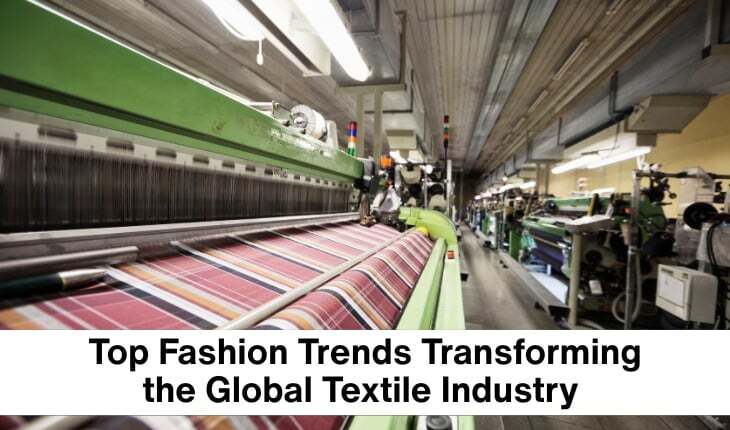
Fashion is evolving faster than ever due to changing consumer habits, technology, and commitment to sustainability. Eco-friendly materials and digital production are changing how fabrics are produced, sold, and consumed around the world.
As companies adapt to these changes, the Global Textile Market (Mercado global de Textil) continues to expand, opening up new opportunities for manufacturers, retailers, and fashion brands. In the meantime, regional markets like the Mexico Textile Market (Mercado Textil en México), too, are adapting to new innovations to remain competitive in a connected global economy.
Below are some of the biggest fashion trends shaping the future of the textile industry.
1. Sustainability Is Becoming the Industry Standard
Sustainability is no longer just a marketing trend, it’s now a business need. The public is actively seeking clothes made from sustainable materials and government and organization are tightening environmental regulations.
Textile manufacturers are investing in organic cotton, recycled polyester, hemp, bamboo fibers, and biodegradable fabrics to reduce their environmental impact. Water-saving dyeing and energy-saving production also help textile manufacturers reduce waste.
It is these environmental and social initiatives which are influencing the Global Textile Market (Mercado global de Textil) as brands compete to meet the rising consumer demand while boosting their own profitability.
2. Smart Textiles Are Changing Fashion
Modern fabrics need to embrace technology as smart, or intelligent textiles, are able to regulate temperature, monitor health, shield from UV rays, and even communicate with electronic devices.
Wearable technology has created new opportunities for textile manufacturers to collaborate with healthcare providers, sports brands, and technology companies.
As innovation continues, smart fabrics are expected to become increasingly common in sportswear, medical clothing, military uniforms, and everyday fashion.
3. Digital Manufacturing Is Improving Efficiency
Within the textile sector, we have seen rapid uptake of digital technologies that enhance production efficiency and cut costs.
Artificial intelligence, robotics, automation and data analytics are all tools that enable textile exporters to keep an eye on stock, anticipate market needs and manage the production process more effectively. Digital printing is also changing the world of textile production because it means that designs can be produced in a quick and personalized way, thus using as few materials possible.
These changes enable companies to work faster in order to adjust to the latest changes in the fashion market while ensuring high quality of goods produced with a view to environmental impact lessening.
For manufacturers operating in the Mexico textile market, digitalization of its operations becomes an important means of improving productivity and strengthening global competitiveness.
4. The Rise of Circular Fashion
Circular fashion is an emerging concept in the worldwide apparel industry. Brands are rethinking their manufacturing process to produce items that can be reused, repaired, recycled or remanufactured instead of blindly following the “make, consume, throw away” model.
Consumer behavior includes more people buying secondhand clothes, renting fashion items and supporting companies that provide recycling programs. This change minimizes textile waste and prolongs the lifespan of clothing.
These can also include take-back schemes being launched by many fashion brands that promote returning old clothing to be recycled into new textile products.
These circular business models are creating sustainable long-term opportunities in the Global Textile Market (mercado global de Textil).
5. Consumer Demand for Transparency
Consumers today want to know more than the price of a garment. They want to know where it was made, how it was made, and whether the workers were paid ethically.
Dieses gestiegene demand for transparency has pushed textile manufacturers to improve supply chain visibility via digital tracking systems, blockchain, and product certification.
Fashion brands that share information about where their clothes are sourced have built stronger relationships with consumers and gained increased brand loyalty.
Businesses operating in the Mexico Textile Market (Mercado Textil en México) have found that transparent manufacturing can also boost their export potential by complying with international standards of sustainability.
6. Eco-Friendly Fibers Continue to Gain Popularity
Consumers trends in textiles push for natural and recycled fibers which continue to get strong demand. Many fashionable brands that aim to lessen the environmental impact of their products are using materials like organic cotton, recycled wool, TENCEL™, hemp and bamboo in growing numbers.
These fibers need fewer natural resources to produce and are often more low-carbon than their traditional synthetic counterparts. Consequently, manufacturers increasingly investing in sustainable fibre development to be in-line with changing consumer preferences and environmental policies.
As Sustainable Development goals are achieved, the rising adoption of eco-friendly materials is likely to continue acting as a crucial growth driver for both Global Textile Market (mercado global de Textil) and region based industries including Mexico Textile Market (Mercado Textil en México), etc.
7. Artificial Intelligence Is Transforming Textile Production
Artificial intelligence (AI) is playing a significant role in modern textile manufacturing. Companies are using AI-powered systems to forecast demand, optimize production schedules, detect fabric defects, and improve inventory management. These technologies help manufacturers reduce waste while increasing operational efficiency.
Fashion brands also rely on AI to analyze customer preferences and identify emerging trends. This allows businesses to launch collections that better match consumer expectations and respond quickly to changing market demands.
As digital technologies continue to evolve, AI is expected to become an essential component of the Global Textile Market (mercado global de Textil), helping businesses improve productivity and remain competitive.
8. Nearshoring Is Strengthening Regional Manufacturing
Supply chain disruptions over the past few years have encouraged many fashion brands to move production closer to their target markets. This strategy, known as nearshoring, reduces transportation costs, shortens delivery times, and improves supply chain resilience.
Mexico has become an attractive manufacturing destination due to its skilled workforce, strategic location, and strong trade agreements. Many international apparel companies are expanding their operations in the country to serve North American markets more efficiently.
This trend is creating new investment opportunities in the Mexico Textile Market (Mercado Textil en México) while supporting employment and industrial growth across the region.
9. Customization Is Becoming a Competitive Advantage
Consumers increasingly prefer personalized products that reflect their individual style. As a result, fashion brands are adopting technologies that allow customers to customize colors, fabrics, sizes, and designs before production.
Digital printing, automated manufacturing, and online design platforms have made mass customization more accessible than ever. These innovations help companies reduce excess inventory while improving customer satisfaction.
Personalized fashion is expected to remain one of the strongest growth drivers for the textile industry over the coming years.
10. Ethical Manufacturing Is Influencing Buying Decisions
Modern consumers are paying more attention to how their clothing is made. Fair wages, safe work conditions, responsible sourcing, and sustainable production are all important considerations for those making purchases.
Many international brands publish sustainability reports and apply for internationally recognized certifications to show that they produce ethically. A company whose priority is ethical production will not only win fans, but gain long-term customers.
They continue to dictate the Global Textile Market (Mercado Global de Textil) as companies look for more transparent and sustainable supply chains.
The Future of the Textile Industry
With the textile industry entering a new phase, characterized by innovation, sustainability, and digital transformation, those companies that choose to adopt the latest technologies, materials, and customer solutions give themselves the best position towards competition.
Noteworthy challenges and trends, which include AI manufacturing, smart textiles, circular fashion, and transparency supply chains, are predicted to change the industry standards within the next decade. Meanwhile, in a regional context, the Mexico Textile Market will keep on benefitting from the growing level of investment, export opportunities expansion, and demand for new sustainable textile solutions.
Conclusion
Innovation, sustainability, and the ability to adapt quickly to consumer needs are key for fashion’s future. Smart fabrics, digital production, ethical sourcing, and circular fashion: The textile industry today is experiencing unprecedented growth.
As the Global Textile Market and the Mexico Textile Market grow,businesses must keep an eye on new developments to capitalize on new opportunities. Obtaining market intelligence can help companies plan accordingly, with insight into industry trends, consumer preferences, and growth potential.
For companies that want in-depth knowledge of textiles and other global sectors, Informes de Expertos provides in-depth market research, industry analysis and data-driven forecasts for confident business decision-making.