I still remember a shoe box from three years ago better than I remember the shoes. Small direct-to-consumer brand, one I’d never heard of before or since honestly. The shoes were fine, nothing special. But the box had this tear-strip instead of tape, a little note printed on the inside of the flap, tissue paper that actually matched their brand colors instead of just being random red or gold. I took a picture of the open box before I even tried the shoes on. Never did that for a pair of shoes before or since.
That’s kind of the whole point of this article, actually. The box isn’t just something the product sits inside of on its way to you. It’s the first real, physical thing a customer touches that came from the brand. Everything else the website, the ads, the Instagram posts that’s all on a screen. The box is in someone’s hands, in their kitchen or their hallway, and it’s usually the one moment a brand gets to make an impression without competing against fifteen other browser tabs.
Okay but does it actually matter that much
Fair question. I used to think packaging was a nice-to-have, something you spend on once you’ve already got money to burn. Working with a couple of small e-commerce brands changed my mind on that, mostly because I watched what happened when packaging was bad.
There’s a stat that gets thrown around a lot Dotcom Distribution did a survey a while back where most shoppers said packaging affects whether they buy from a brand again. I won’t pretend that number is gospel, surveys like that always have some fuzziness to them. But it lines up with something pretty obvious if you’ve ever gotten a package that arrived crushed, or had a product rattling loose in a box three sizes too big. You don’t think “oh well, the box was an afterthought.” You think the whole brand is a little sloppy. Even if the actual product is great.
And then there’s the unboxing video thing, which honestly caught a lot of brands off guard. Nobody films opening a plain brown Amazon-style box. People absolutely do film opening a box that’s got interior printing, or a satisfying magnetic flip-top, or some little surprise tucked in there. That’s free reach. Nobody’s paying for that ad.
What makes people actually remember an unboxing
I’ve gone through a few packaging redesigns with small brands now, not as the designer myself but sitting in on the process, and there’s a pattern that keeps showing up. It’s not really about spending a fortune. It’s about restraint and sequencing more than budget.
The outside matters before anyone even opens anything. If the box shows up dented or the print looks cheap or faded, that’s already coloring how the person feels before the lid’s off. A clean custom mailer box on the doorstep says “this was made with me in mind,” even though obviously it wasn’t literally made for that one person.
Then there’s the actual opening. If someone’s got to go hunting for scissors or wrestle with packing tape for two minutes, that annoyance sticks to the product a little. It’s a small thing but it’s nothing I’ve heard from people doing returns and customer service that a chunk of “damaged item” complaints are really just people who got frustrated fighting the packaging and ended up rougher with the product than they needed to be.
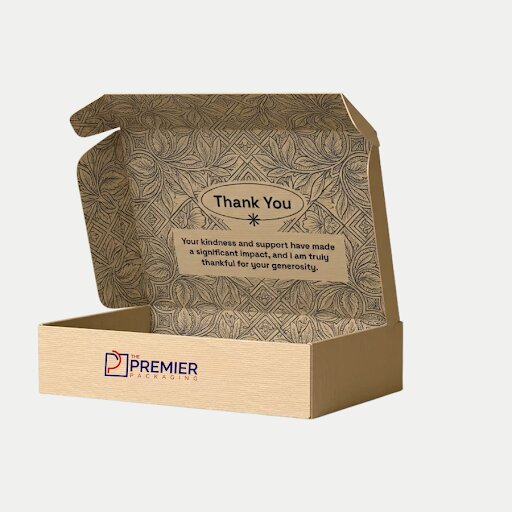
Printing on the inside of the flap rather than just the outside is a cheap trick that works better than it should. It creates this tiny reveal, like there’s more to see than you expected. Costs almost nothing extra in production, but it reads as intentional.
And protection can’t be an afterthought bolted onto a pretty design. A box that looks amazing but lets the product slide around during shipping is going to fail somebody eventually, and that failure is way louder than any design choice. Snug-fit inserts or simple cardboard dividers solve two problems at once, they keep things from breaking and they keep the product sitting the way it looked in your product photos.
When custom mailer boxes aren’t actually worth it
I’ll be honest, not everything needs the full custom treatment, and I’ve seen founders sink money into packaging for products where it just doesn’t pay off. Custom mailer boxes make sense when unboxing is genuinely part of what customers expect subscription boxes, skincare, gifting, that kind of thing. They make sense when your margins can actually absorb the extra per-unit cost, because custom print jobs cost more than a plain shipping carton, sometimes quite a bit more depending on the print method and how big your order is.
If you’re shipping replacement parts in bulk, or doing B2B orders where nobody’s filming an unboxing video, a sturdy plain box with your logo stamped on is honestly the smarter call. Save the fancy packaging budget for where a customer is actually going to notice and care.
Some of the practical stuff that trips people up
A few things that come up over and over when brands start looking into this seriously.
Flute grade actually matters more than people expect going in. E-flute corrugate gives you that smooth surface that’s good for printing detailed graphics, it looks more retail. B-flute and heavier grades hold up better if the product has weight to it or is fragile. Get this wrong and you either paid for strength you didn’t need or you’re shipping something too flimsy for what’s inside.
Print method changes your cost and how sharp things look. Flexographic printing is the cheap option at scale but it’s limited on fine detail. Offset printing on laminated sheets looks noticeably better, sharper color, which is why a lot of the nicer-looking DTC brands use it even though it costs more upfront. Digital printing has gotten a lot better for smaller runs than it used to be, worth asking about if you’re not ordering thousands of units yet.
Minimum order quantities catch a lot of new brands off guard, this one especially. Traditional box manufacturers often want orders in the thousands for a custom die-cut design, which is rough if you’re still figuring out whether the product even sells. Worth specifically asking suppliers about lower-MOQ digital printing before you commit to anything.
And on sustainability customers notice this stuff now, more than they used to. Recyclable materials, soy-based ink, less plastic void fill. But just slapping “eco-friendly” on a box without anything backing it up tends to get noticed and called out too. If your corrugate is FSC-certified or the box is genuinely curbside recyclable, just say that plainly. It lands better than a green leaf logo ever will.
A rough order to work through this in
If you’re doing custom packaging for the first time, here’s roughly the order I’d think through it in, rather than jumping straight to picking colors:
Figure out what the box actually needs to survive weight, moisture, getting tossed around by a delivery driver, whatever’s relevant to your product. Then think about what feeling you want the unboxing to give off, premium, playful, minimal, whatever fits the brand. After that, set a real per-unit cost limit based on your actual margins, not what you wish they were. Then pick your flute grade and print method based on those first two things. And don’t skip getting a physical prototype made before you commit to a big print run a mockup on a screen doesn’t tell you how a box actually feels in your hands, or how it holds up once you’ve actually shipped it somewhere and it’s been through a truck and a doorstep.
That last step is the one people most often skip, and it’s usually the one that saves them from an expensive mistake.
Final Words
Mailer Packaging isn’t just a marketing extra tacked onto the end of the process. They’re one of the only physical moments left where a brand actually gets to be in someone’s hands, in a retail world that’s mostly happening on screens now. Done right, the box protects what’s inside, reduces returns, gets people posting about it without being asked, and quietly tells the customer that someone paid attention to a detail most companies don’t bother with.
The brands that do this well usually aren’t the ones spending the most money on it. They’re the ones who thought about the box as part of the actual product experience from early on, tested it for real before scaling up, and spent where their customers would actually notice.